
2026
How to Decide Between a Flat Marker and an Upright Monument
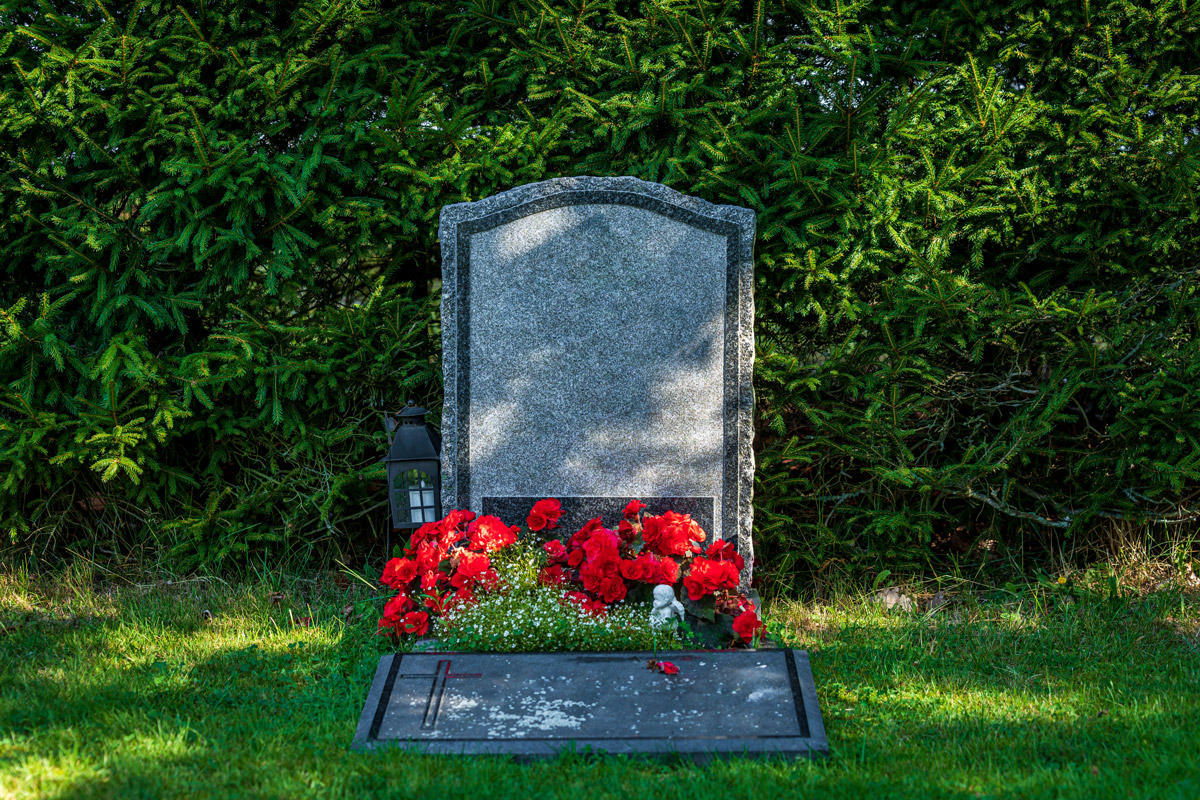
Selecting a memorial for a loved one is a deeply personal and emotional process. It is a lasting tribute, a physical space where family and friends can gather to remember, reflect, and find peace. Among the many decisions you will make during this time, one of the most fundamental is choosing the style of the memorial itself. For most families, this decision comes down to two primary options: a flat marker or an upright monument.
Both styles offer beautiful, enduring ways to honor a life lived, but they differ significantly in appearance, cost, customization options, and cemetery regulations. Understanding these differences is crucial to selecting a memorial that truly reflects your loved one's legacy while adhering to practical considerations.
At J.B. Newall Memorials, we have been helping Vancouver families craft meaningful tributes since 1920. Let's explore the key factors to consider when deciding between a flat marker and an upright monument.
Understanding Cemetery Regulations
Before you begin comparing granite colors or inscription fonts, the very first step is to consult the specific cemetery where the memorial will be placed. This is the most critical factor in your decision-making process.
Cemeteries have strict bylaws governing the types, sizes, and materials of memorials allowed in different sections of their grounds. These regulations are designed to maintain the aesthetic consistency of the cemetery and to facilitate efficient groundskeeping and lawn maintenance.
- Lawn Park Sections: Many modern cemeteries, or specific sections within older cemeteries, are designated as "lawn park" areas. In these sections, only flat granite lawn markers or bronze markers set flush with the ground are permitted. This allows lawnmowers to pass directly over the gravesites without obstruction.
- Monument Sections: Other areas are specifically designated for upright granite monuments. Even in these sections, there will be strict guidelines regarding the maximum height, width, and depth of the monument, as well as the size of the required concrete foundation.
At J.B. Newall, we are intimately familiar with the bylaws of cemeteries across British Columbia. We will guide you through these regulations to ensure the memorial you choose is fully compliant before any work begins.
The Case for Flat Markers
Flat markers, also known as flush markers or grass markers, are set level with the surrounding turf. They are typically rectangular and made of either solid granite or a bronze plaque mounted on a granite base.
1. Understated Elegance and Simplicity
Flat markers offer a clean, understated aesthetic. They blend harmoniously with the natural landscape of the cemetery, creating a serene and park-like environment. For families who prefer a subtle, minimalist tribute, a flat marker is an excellent choice.
2. Cost-Effectiveness
Generally speaking, flat markers are more budget-friendly than upright monuments. Because they require less material and do not involve complex carving or the installation of a large upright die, the overall cost of manufacturing and installation is lower. This makes them a practical option for families working within a specific budget.
3. Customization Options
While they have a smaller surface area than upright monuments, flat markers still offer significant opportunities for personalization. Modern sandblasting and laser etching techniques allow for detailed inscriptions, beautiful borders, and even the inclusion of memorial portraits or intricate artwork that reflects the individual's hobbies, faith, or passions.
The Case for Upright Monuments
Upright monuments, often referred to as headstones or tombstones, are the traditional, classic style of memorial. They consist of a tall, vertical piece of stone (the die) set upon a sturdy, horizontal base.
1. Prominence and Visibility
The most defining characteristic of an upright monument is its physical presence. Standing tall above the ground, these memorials are easily visible from a distance, making it simple for visiting family members and future generations to locate the gravesite. They serve as a prominent, enduring landmark.
2. Maximum Space for Personalization
Upright monuments provide the largest canvas for telling a loved one's story. With ample surface area on both the front and back of the die, families have the freedom to include extensive inscriptions, poetry, religious scriptures, and detailed hand-shape carved artwork.
This larger space is particularly beneficial for companion monuments (designed for two people) or family plots, allowing enough room to commemorate multiple individuals on a single, unified stone.
3. Architectural and Sculptural Freedom
Unlike flat markers, which are restricted to a simple rectangular shape, upright monuments can be crafted into an incredible variety of architectural forms. From traditional serpentine tops to intricate crosses, hearts, or completely custom projects carved into unique shapes, the sculptural possibilities are virtually limitless.
Finding the Middle Ground: Pillow and Slant Markers
If you are torn between the subtlety of a flat marker and the visibility of an upright monument, there are intermediate styles to consider, provided the cemetery regulations allow them.
- Granite Pillow Markers: These markers are slightly elevated in the back and slope downward toward the front, resembling a pillow. They offer better visibility than a flat marker while remaining lower to the ground than a full upright monument.
- Slant Markers: Similar to a pillow marker but taller and with a steeper slope, slant markers provide a broad, angled face for inscriptions. They offer a prominent presence without the need for a separate base in some cemetery sections.
Making the Final Decision
Ultimately, the choice between a flat marker and an upright monument is a deeply personal one, guided by cemetery rules, your budget, and the specific way you wish to honor your loved one's memory.
Consider the personality of the individual: Would they have preferred a quiet, understated tribute blending into nature, or a prominent, detailed monument that stands as a lasting historical record? Discuss these options with your family, and take the time to visit the cemetery to see how different styles look in the actual setting.
At J.B. Newall Memorials, our compassionate team is here to support you through every step of this process. We will help you navigate the cemetery bylaws, explore our extensive gallery of designs, and select the perfect materials to craft a memorial that honors your family's unique legacy.
To begin designing a meaningful tribute, contact us today at 604-327-1312 to schedule an appointment at our Vancouver showroom.


