
2026
How to Choose a Memorial Reflecting Cultural & Family Traditions
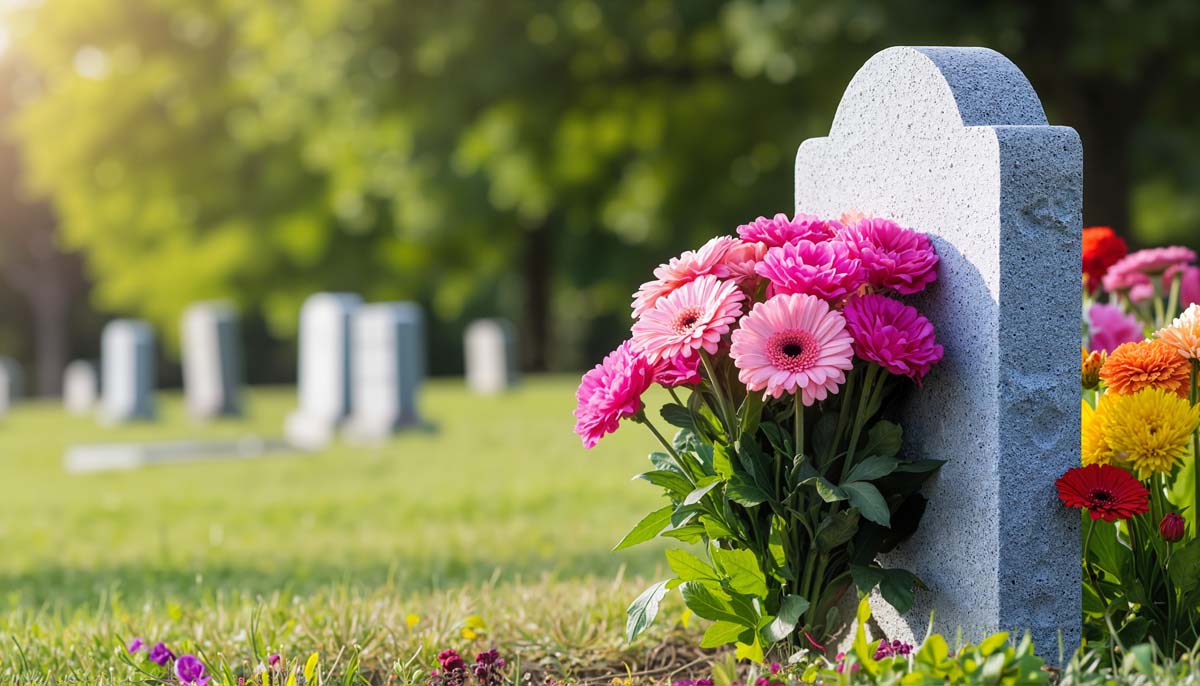
Choosing a memorial is a deeply personal and significant decision, often made during a time of grief. It serves as a lasting tribute, a place for remembrance, and a physical representation of a life lived. For many, the process is guided not only by personal preference but also by the rich tapestry of cultural heritage and family traditions. These traditions offer comfort, continuity, and a profound way to honor the deceased in a manner that resonates with their identity and the values of their community.
The right memorial can beautifully encapsulate a person's legacy, reflecting their beliefs, customs, and the unique bond they shared with their loved ones. Understanding how to navigate these considerations is crucial to selecting a tribute that truly speaks to the heart and soul of those it commemorates. This guide will explore the various facets of choosing a memorial that respectfully integrates cultural and family traditions, ensuring a meaningful and enduring remembrance.
Embracing the Rich Tapestry of Cultural Significance
Every culture holds unique perspectives on death, mourning, and remembrance, which profoundly influence memorial choices. From specific symbols and inscriptions to the type and orientation of the monument, cultural practices provide a framework for honoring the departed. Recognizing these nuances is the first step in selecting a memorial that is both appropriate and deeply resonant.
For instance, some cultures may favor elaborate, ornate designs, while others prefer simplicity and natural elements. The materials used, such as granite or bronze, can also carry symbolic weight within different traditions. Understanding these cultural underpinnings ensures that the memorial not only commemorates an individual but also upholds the collective heritage of their community. It transforms a simple marker into a powerful statement of identity and belonging, connecting past, present, and future generations through shared customs. J.B. Newall Memorials offers a wide range of options to help families find the perfect tribute that aligns with their specific cultural needs and preferences, ensuring every detail is handled with sensitivity and respect. Explore our diverse selection of memorials to find one that truly honors your loved one's heritage.
Exploring Diverse Memorial Types and Their Traditions
The form a memorial takes is often deeply rooted in cultural and family traditions, with specific types of monuments carrying centuries of significance. From the grandeur of upright granite monuments to the subtle elegance of flat markers, each style offers a distinct way to remember and honor. Understanding these traditional forms can help families make an informed choice that respects their heritage.
Consider the following traditional memorial types:
- Asian Upright Monuments: Often characterized by intricate carvings, specific orientations, and symbolic imagery reflecting East Asian cultural beliefs and ancestral reverence.
- Jewish Memorials: Typically feature Hebrew inscriptions, specific star of David symbols, and often adhere to traditions regarding simplicity and the placement of stones.
- Indigenous Memorials: May incorporate natural elements, traditional artwork, and symbols that reflect the deep connection to land, spirituality, and ancestral stories of various First Nations, Métis, and Inuit communities.
- Granite Pillow Markers: A blend of upright and flat designs, offering a gentle slope that can be customized with various finishes and engravings.
These examples highlight the importance of selecting a memorial type that aligns with specific cultural practices. J.B. Newall Memorials specializes in crafting tributes that honor these diverse traditions, ensuring authenticity and respect in every design. Our expertise extends to creating Asian upright monuments that meticulously follow traditional aesthetics and symbolism.
Personalizing with Symbolic Artwork and Inscriptions
Beyond the basic structure, the true essence of a memorial often lies in its personalized details. Symbolic artwork, meaningful inscriptions, and unique design elements allow families to infuse the monument with the individual spirit and story of their loved one, while also reflecting broader cultural or family narratives. This personalization transforms a stone into a deeply intimate and expressive tribute.
The choice of imagery, fonts, and epitaphs can convey profound messages, celebrating a life, expressing grief, or offering comfort. For example, a specific flower, animal, or religious symbol can hold deep significance within a family or cultural group. Similarly, inscriptions can be in a native language, feature traditional poetry, or include specific blessings. J.B. Newall Memorials excels in bringing these personal visions to life through exquisite craftsmanship. Our hand etched artwork service allows for the creation of truly unique and intricate designs, ensuring every detail contributes to a meaningful remembrance.
Selecting Materials and Ensuring Lasting Durability
The choice of material for a memorial is not only an aesthetic decision but also a practical one, impacting its longevity, maintenance, and how it weathers over time. Different materials carry various symbolic meanings across cultures and families, making this selection a crucial part of honoring traditions. The durability of the material ensures that the tribute remains a steadfast symbol of remembrance for generations.
When considering materials, families often weigh factors such as color, texture, and resilience against environmental elements. The material should be able to withstand the test of time, preserving the integrity of the design and inscriptions. This ensures that the memorial continues to serve its purpose as a focal point for remembrance and reflection for many years to come.
Key considerations for memorial materials include:
- Granite: Highly durable, available in a wide range of colors, and excellent for intricate carvings and polished finishes. It is a popular choice for its longevity and ability to withstand harsh weather.
- Bronze: Often used for flat markers and plaques, bronze offers a classic, dignified appearance that develops a beautiful patina over time. It is known for its strength and resistance to corrosion.
- Natural Boulder: For those seeking a more organic and integrated look, natural boulders provide a unique and earthy tribute, often chosen to reflect a love for nature or a connection to the land.
- Marble: While beautiful, marble is softer than granite and can be more susceptible to weathering and erosion over time, making it a less common choice for outdoor memorials in some climates.
Each material offers distinct advantages and can be shaped to reflect specific cultural aesthetics, from the smooth, polished surfaces of traditional granite to the rugged, natural appeal of a boulder. For families considering an upright granite monument, understanding the material's properties is key to a lasting tribute. Read our guide on how to choose the right upright granite monument or headstone for your family to learn more about this durable option.
Navigating Cemetery Regulations and Guidelines
While personal and cultural preferences guide many memorial decisions, practical considerations such as cemetery regulations are equally important. Each cemetery has specific rules regarding the size, material, type, and even placement of memorials. Understanding these guidelines early in the process can prevent potential complications and ensure that the chosen tribute can be installed as intended.
These regulations are often in place to maintain uniformity, ensure safety, and preserve the aesthetic integrity of the grounds. They can vary significantly between different cemeteries, and even within sections of the same cemetery. Families should consult with cemetery authorities or their memorial provider to clarify all requirements before finalizing their design. This proactive approach helps to streamline the process and avoid any unforeseen issues.
Common cemetery regulations often include:
- Size Restrictions: Limits on the height, width, and depth of monuments to ensure proper spacing and access.
- Material Requirements: Certain cemeteries may restrict specific materials or finishes to maintain a consistent appearance.
- Foundation Specifications: Guidelines for the type and depth of foundation required to support the memorial securely.
- Installation Procedures: Rules regarding who can install memorials and the necessary permits or inspections.
Adhering to these guidelines is essential for a smooth process. A reputable memorial company, like J.B. Newall Memorials, can assist families in navigating these regulations, ensuring that their chosen memorial complies with all local requirements while still reflecting their desired traditions.
The Indispensable Role of Family Consultation
The process of choosing a memorial is often a collective journey, particularly when cultural and family traditions are at its core. Engaging in open and honest family consultation is paramount to ensuring that the final memorial truly represents the wishes of the deceased and provides comfort and meaning to all surviving loved ones. This collaborative approach fosters unity and shared remembrance.
Different family members may hold varying perspectives on traditions, personal preferences, and financial considerations. A thoughtful discussion allows for the airing of these views, leading to a consensus that honors everyone's input. It is an opportunity to share memories, discuss the deceased's life, and collectively decide on a tribute that will serve as a lasting symbol of their legacy. This shared decision-making process can also be a vital part of the grieving and healing journey.
Effective family consultation often involves:
- Open Communication: Encouraging all family members to share their thoughts, feelings, and ideas without judgment.
- Respecting Diverse Views: Acknowledging that different individuals may have unique ways of wanting to remember their loved one.
- Considering the Deceased's Wishes: If known, prioritizing any expressed desires of the person being memorialized.
- Budgetary Discussions: Transparently discussing financial constraints and finding solutions that work for everyone.
By involving all key family members, the chosen memorial becomes a collective expression of love and respect, strengthening family bonds and ensuring that the tribute resonates deeply with everyone. This collaborative spirit is essential in creating a memorial that truly reflects shared cultural and family traditions.
Crafting a Lasting Legacy Through Thoughtful Remembrance
The journey of selecting a memorial that honors cultural and family traditions is a profound act of love and remembrance. It involves a delicate balance of personal sentiment, ancestral customs, and practical considerations. By thoughtfully engaging with each step—from understanding cultural significance and exploring diverse memorial types to personalizing with meaningful artwork and navigating practicalities—families can create a tribute that truly embodies the spirit of their loved one and their heritage.
A memorial is more than just a marker; it is a timeless narrative etched in stone, a sacred space where memories are cherished, and traditions are upheld. It stands as a testament to a life lived, a beacon for future generations, and a source of comfort for those who grieve. Choosing with intention ensures that this legacy is not only preserved but also celebrated in a manner that resonates deeply with the heart and soul of the family and community. J.B. Newall Memorials is dedicated to assisting families in crafting these enduring tributes, offering expertise and compassionate guidance every step of the way. We also provide options for urns for those who choose cremation.


